Paint lasts for a long period. But not forever.
Even the most durable paint job begins to deteriorate at some point. The sun wears it down. Rain gets to it. Humidity lasts longer than you would want. And then there’s just time. Surfaces gradually lose their clean, finished appearance over time.
Usually, it does not occur all at once. Perhaps that’s the most annoying aspect. Paint tends to wear out gradually. A little fading here. There is a hard spot there. Perhaps the trim no longer seems as crisp as it once did, but you can’t tell why. We see that kind of slow decline all the time on homes and commercial properties around Sonora, Tuolumne County, and nearby areas, where the sun, seasonal weather, and outdoor exposure can really speed things up.
How Long Is House Paint Supposed to Last?
There is no perfect answer, although there are certain general expectations.
Exterior painting typically lasts between 5 to 10 years. Interior paint can survive for 7 to 10 years, and often longer, especially in rarely used spaces. A guest room can look great for years. A corridor, not so much.
Still, such timelines only tell a portion of the narrative. Stucco does not age like wood. Bricks behave differently than drywall. Trim wears differently than larger wall surfaces. Of course, the paint matters. Some items keep up very well. Some appear exhausted more sooner than expected.
So yeah, the calendar is useful. In reality, however, the appearance of the surface is more important.
What Affects How Long Exterior Paint Lasts?
Exterior paint rarely wears evenly from one house to the next. In Florida especially, a lot depends on the weather, the material underneath, and what’s been done to the surface before.
Here are some of the most important factors:
- Sun and UV exposure: Constant sunshine can dry up the finish, degrade the color, and make the paint appear dull or powdery.
- Surface material: Wood, stucco, brick, and vinyl all react differently to heat and moisture, so paint will not age the same way on each.
- Paint quality and finish: Some paints just retain their color and adherence longer. Others lose their advantage faster than they should.
- Moisture and temperature fluctuations: Heat, rain, humidity, and day-to-night variations all exert strain on the paint coating over time.
- Age of the home and older paint layers: Older surfaces, combined with years of previous applications, can put additional strain on the whole system. That will eventually show.
7 Signs It’s Time to Repaint Your House
Most paint problems give you some kind of warning before they get really obvious. Sometimes the signs are subtle. Sometimes they’re not subtle at all.
Here’s what to watch for.
1. Peeling or Flaking Paint
Peeling or flaking paint looks like loose chips, thin strips or edges lifting away from the wall or trim – and it’s usually the first sign of trouble. It tends to show up first on siding, fascia, soffits, railings and exterior trim that gets the most weather – and it can also show up around doors and windows where the surfaces are expanding and contracting all the time.
This usually tells you the paint’s no longer sticking to the surface underneath – it’s starting to peel and flake away. That’s a pretty obvious sign of wear and tear. Painters who’ve been around the block a few times can spot this one a mile off – especially in areas where the sun and rain really take their toll.
2. Fading or Chalky Surfaces
Fading makes the color look washed out, uneven or less rich than it used to be – while chalking leaves a dry, dusty film on the surface that can make the paint look tired even when it’s still in place. These signs are most common on walls that face strong afternoon sun, garage doors, shutters and exposed trim.
This usually points to the outer layer of paint starting to break down – it’s no longer looking solid and fresh. In places like Sonora and throughout Tuolumne County, the strong sun can make this show up pretty quickly on south- and west-facing walls.
3. Cracking or Bubbling Paint
Cracking looks like split lines in the paint film – while bubbling looks like small raised pockets or blisters underneath the surface. These changes often appear on wood trim, soffits, doors, window areas and damp indoor spaces like bathrooms.
Both signs suggest the paint film’s started to lose its hold or flexibility – and that can be due to a variety of factors, including heat or trapped moisture. Painting professionals who work in humid climates see this pattern all the time because moisture doesn’t need much time to affect a weak finish.
4. Visible Stains or Discoloration
Stains and discoloration show up as yellow marks, dark streaks, gray patches or uneven color that breaks up the finish. Outside, you might notice them below rooflines, under gutters or on lower walls – while inside, they often show up near kitchens, bathrooms, ceilings and around vents.
This sort of change all too often results in the paint no longer hiding surface issues as well as it used to. The finish can also start to become more porous or less stable with the passing of time. When the color of the paint starts to look patchy, the whole space can suddenly appear older than its years.
5. Mold or Mildew On Painted Surfaces
Mold or mildew typically appears as black, green or dark grey blotches on painted areas. It often forms on shaded sides of houses, bathroom ceilings, soffits and the trim near damp corners or areas with poor airflow. On Florida homes, it’s especially common on surfaces that stay humid for long stretches.
This tells you the surface is retaining enough moisture for the growth to stay visible. Even when the paint color still looks pretty much intact, the finish may no longer look clean and healthy. Local painting teams like McCandless Painting see this all the time on exterior walls and trim in Sonora and the surrounding communities.
6. Caulk Failure Around Trim & Edges
Caulk failure is plain to see as gaps, split lines, shrinking or pulling where the trim meets the siding, windows or doors. It’s often easy to spot because these edges used to look crisp and sealed, but no longer do. The lines start to look rough, open or uneven.
This usually signals that the paint system around those details is getting on in years. Even when the main wall still looks okay, worn edges can give the whole exterior a tired look. A trained eye normally spots these small breakdowns early, because trim and joints tend to show wear before the broad wall areas do.
7. An Outdated or Noticeably Worn Appearance
Sometimes the clear sign is not a single problem spot. The whole surface just starts to look flat, dull, dated or worn. You might notice this on front elevations, entry areas, living room walls, shutters or trim where the finish no longer looks clean and sharp.
This sort of wear usually means the paint has moved past its best years visually. The surface may not be failing in a dramatic way, but it no longer gives the house a fresh or cared-for look. That is often the point at which you start to think about whether its time to repaint your house.
Which Parts of Your Home Show These Signs First
Not every part of the house wears at the same pace. Some areas just take more abuse.
South- and west-facing exterior walls usually show problems earlier because they get the harshest direct sun, especially later in the day. That’s where fading, chalking, and dry-looking color tend to show up first.
Window frames and exterior trim also age faster. They have more edges, more joints, and more movement from heat and moisture. So peeling, cracking, and failing caulk often start there before they spread elsewhere.
Inside the home, bathrooms and kitchens are common trouble spots because of steam, grease, moisture, and constant cleaning. Paint in those rooms can start to look stained, patchy, or slightly bubbled.
High-traffic hallways are another one. Daily contact from hands, bags, furniture, and just normal life wears those surfaces down pretty quickly. You may notice scuffs, uneven sheen, or rubbed-looking areas.
And ceilings near vents or moisture sources can slowly develop stains, shadowy patches, or uneven finish changes that are easy to miss at first.
Interior vs. Exterior: Do the Signs Look the Same?
Interior and exterior paint don’t usually fail in the same way.
Inside, the issues are often more cosmetic. Scuffs, stains, fading, or sheen that starts looking uneven after repeated cleaning. Outside, the wear is typically more visible and more aggressive. Peeling, cracking, bubbling, and chalking are all a lot more common once weather gets involved.
That makes sense, really. Exterior paint deals with sun, rain, humidity, temperature shifts, and UV exposure every single day. Interior paint usually has a longer lifespan, even in busy rooms.
So yes, one part of the home might still look perfectly fine while another already looks overdue for repainting. That happens all the time.
Your Home’s Next Chapter Starts With Fresh Paint
When paint starts peeling, fading, staining, cracking, or just losing that clean finish, it changes the way your home feels. Not just how it looks, though that matters too. It can make the whole place seem older, more worn, less cared for. A professional inspection can help you figure out whether what you’re seeing is just normal aging or a sign that it’s time to repaint.
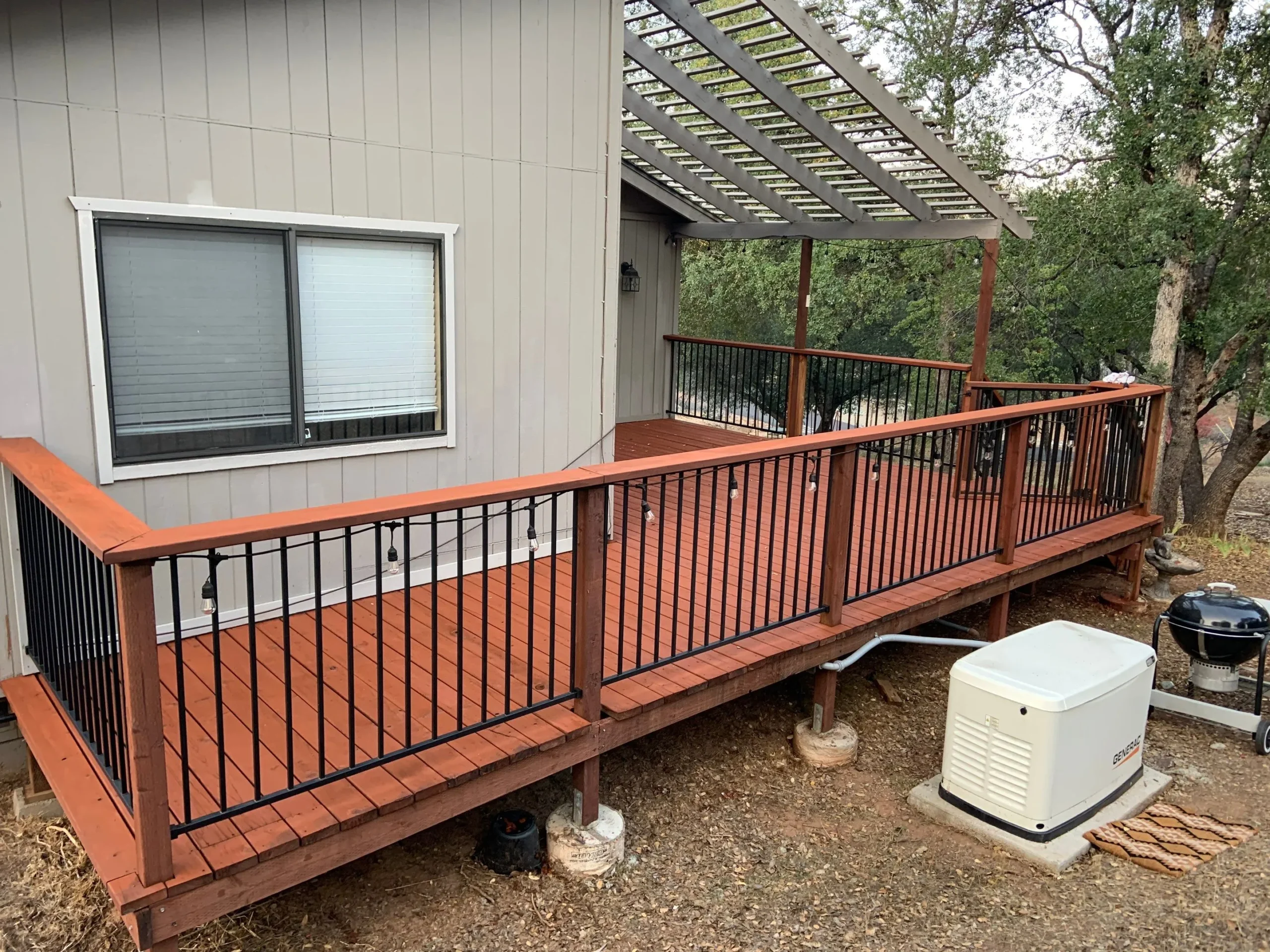
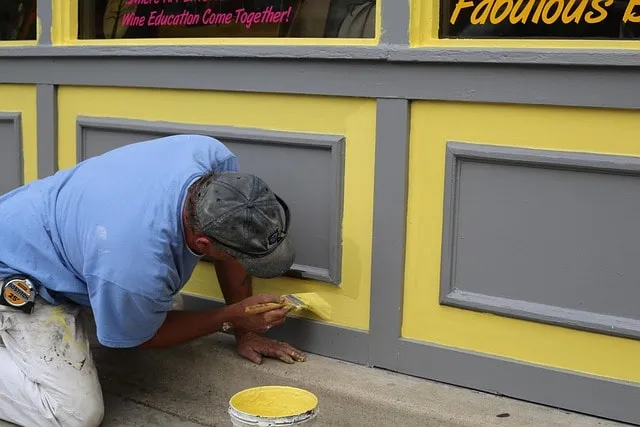
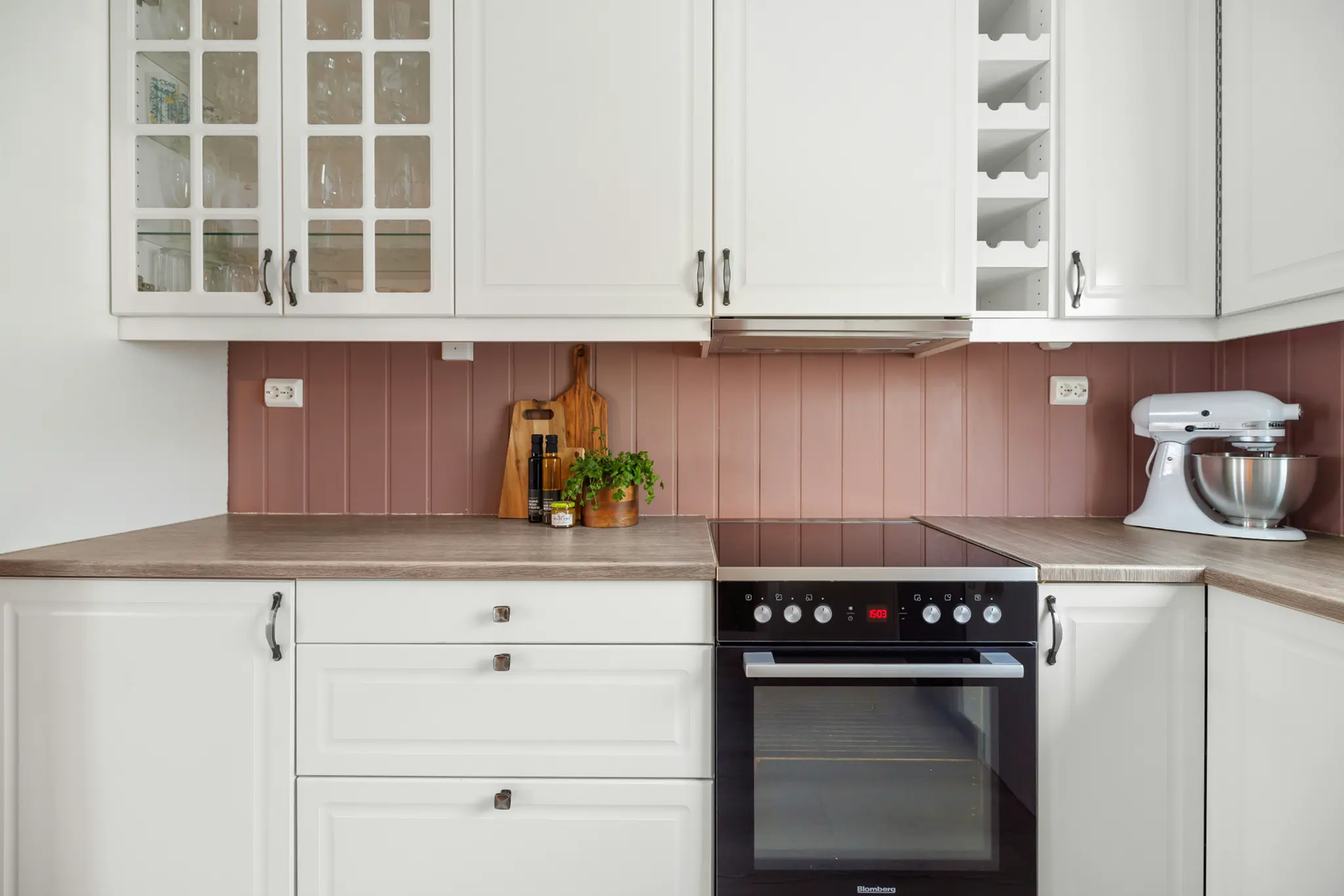
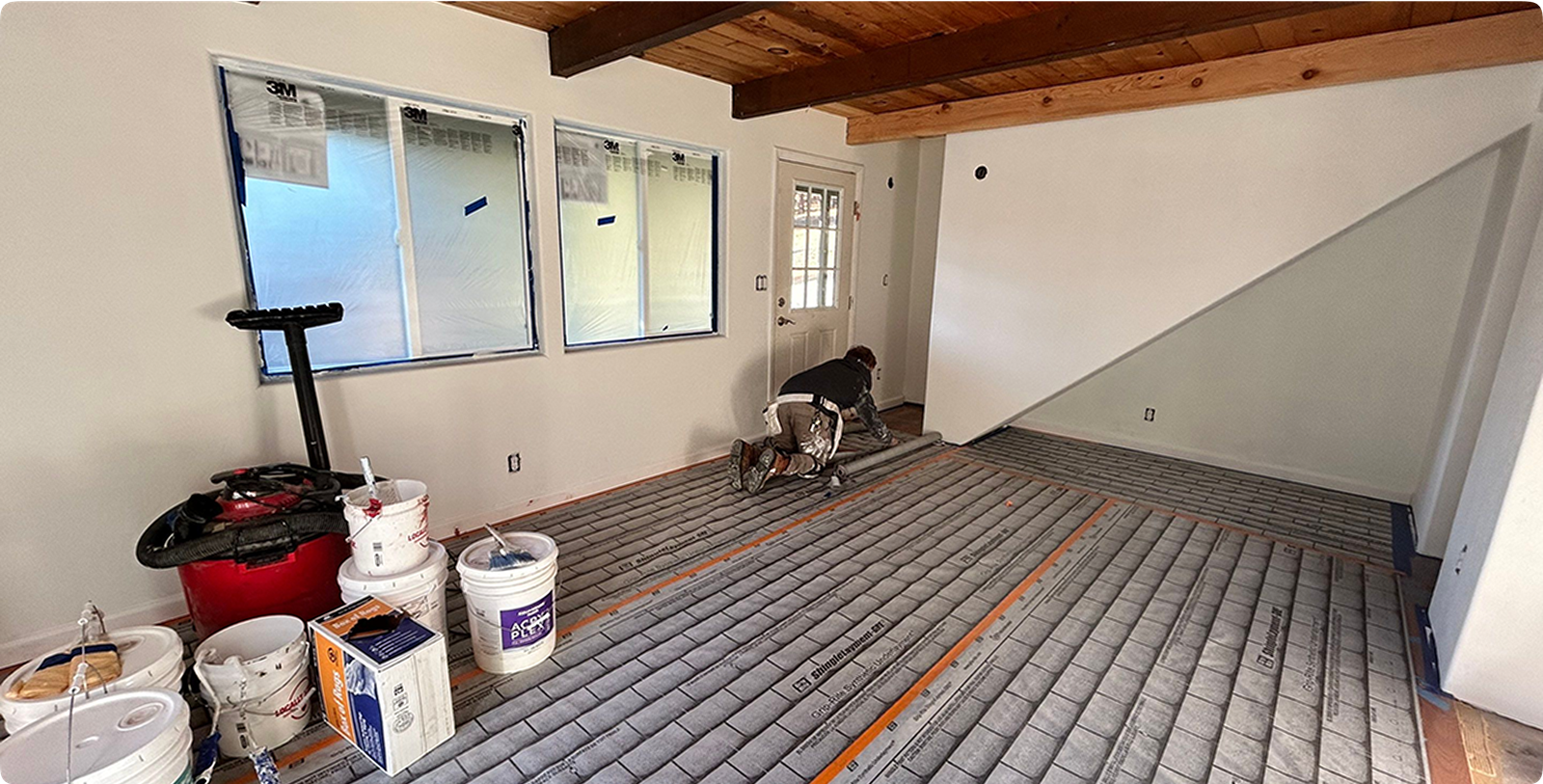
If you’re in Sonora, Tuolumne County, or the surrounding area, McCandless Painting can help with residential and commercial painting, including interior painting, exterior painting, cabinet painting, deck staining, and epoxy flooring. And they do it with the kind of care people usually hope for but don’t always get, honestly. Precision, clear communication, transparent estimates, and expert execution make the whole experience feel a little more personal.
You can contact Mccandless Painting to request a free quote and consultation. It’s a straightforward way to get a clear picture of what your surfaces need, what can wait, and what probably shouldn’t.